China Is Running a Different AI Race
Tech Policy Press
1mo · 8 min
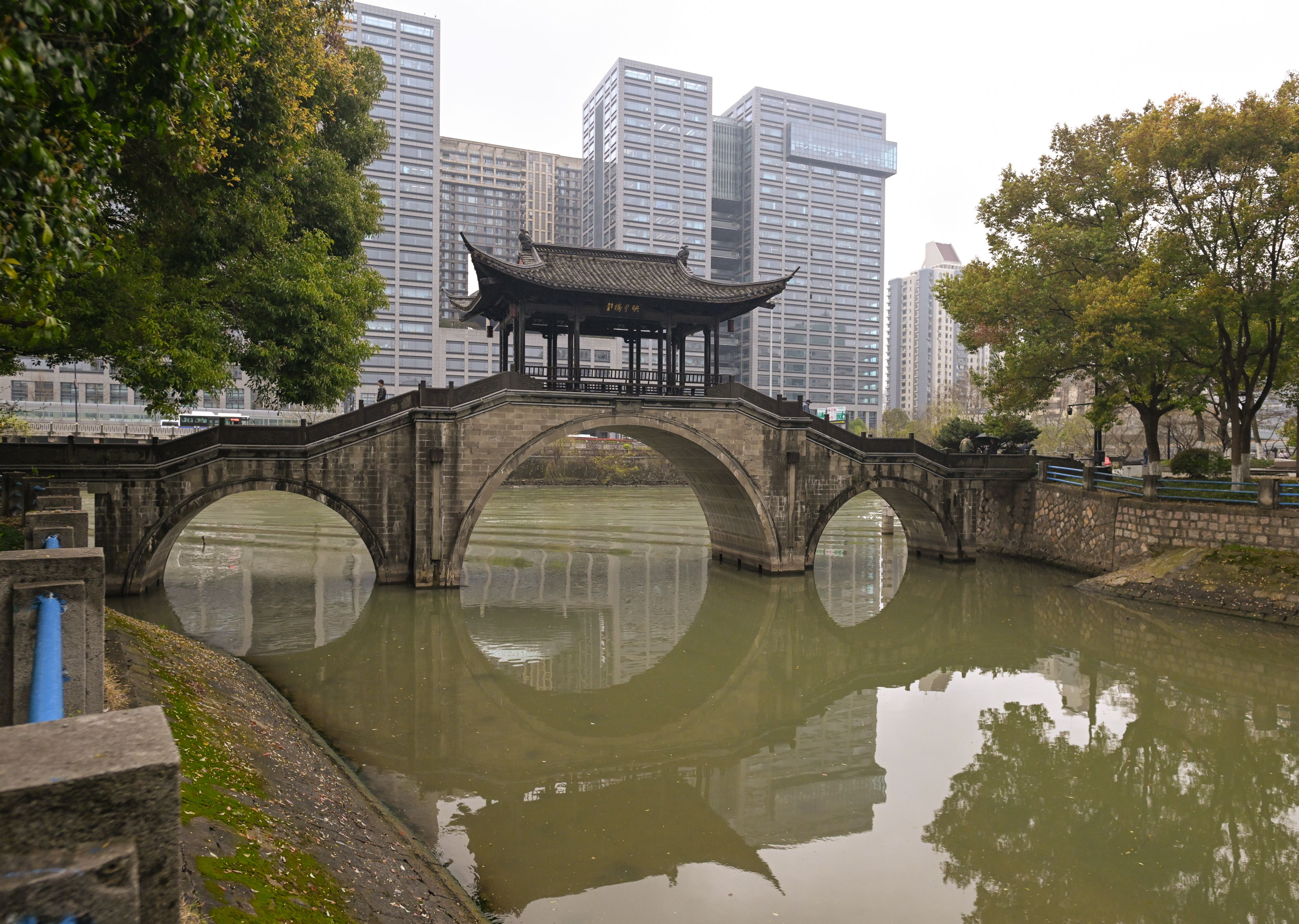
A traditional Chinese arch bridge sits in front of the 'Huijin International Building' — the building that hosts DeepSeek's headquarters, in Hangzhou, Zhejiang Province, China (2026).
A traditional Chinese arch bridge sits in front of the 'Huijin International Building' — the building that hosts DeepSeek's headquarters, in Hangzhou, Zhejiang Province, China (2026). (Photo by STR/NurPhoto via AP)In just a few days, President Trump is slated to host Chinese President Xi Jinping for a high-level bilateral summit. Several topics will be discussed, including artificial intelligence, as confirmed by Treasury Secretary Scott Bessent at the recent G20 Finance Ministerial. In order to ensure a successful and productive meeting, it is imperative that the Trump administration goes in with a clear awareness of China’s goals and intentions with AI. This requires developing a comprehensive understanding of the AI race China is running and how it differs from the one the US is running.Like the US, China recognizes AI as one of the most transformational tools of this generation and has committed itself to becoming a world leader in this technology. Yet, unlike the US, China recognizes that the dominant AI power may not be the one with the most powerful model. While Beijing is still investing in AI innovation, it is pursuing a multifaceted AI strategy that strongly promotes widespread international usage of its systems. As a result, China is prioritizing the development of AI systems that are cheap, open-weight, and diplomatically exportable.To provide open-weight models, China has sought to lower the cost of training these models in the first place. Because these models…
That's the opening of the original reporting — continue reading at Tech Policy Press for the rest.
Open at Tech Policy Press ↗