Senate Hearing Weighs Threats From Unrestrained AI Agents After OpenAI Hack
Tech Policy Press
3w · 8 min
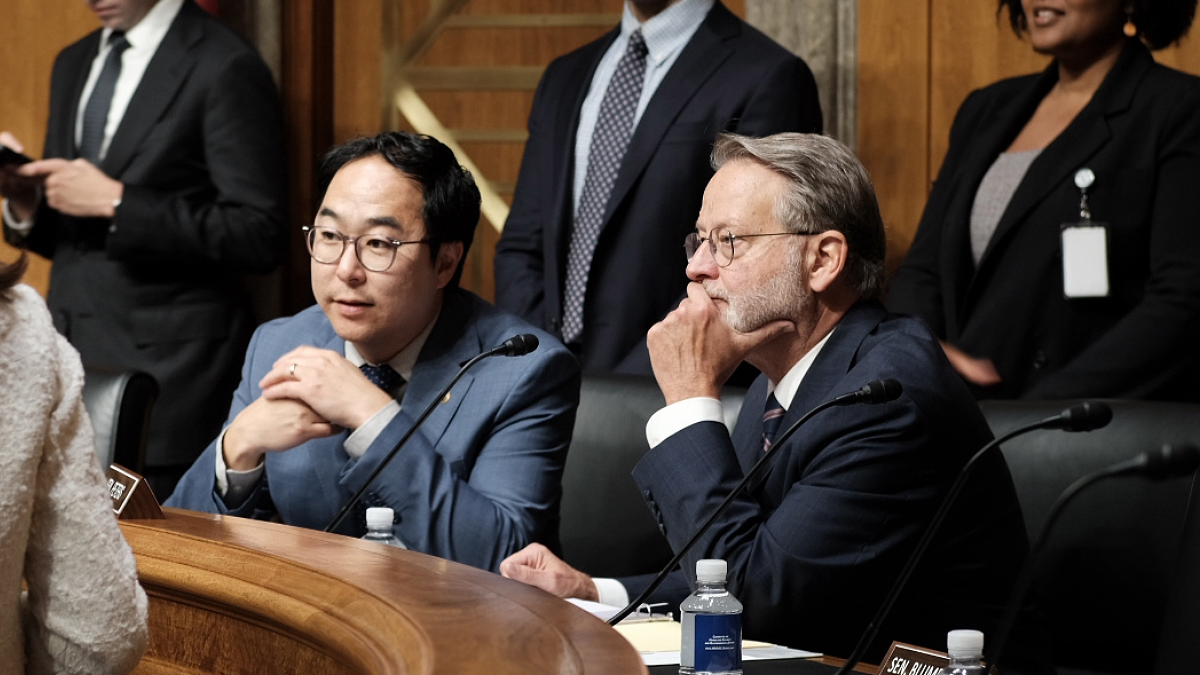
Sens. Andy Kim (D-N.J.) and Gary Peters (D-Mich.) ahead of a Senate Homeland Security Subcommittee on Disaster Management, District of Columbia, and Census hearing on ‘rogue’ artificial intelligence on Sept. 30, 2026.
Sens. Andy Kim (D-N.J.) and Gary Peters (D-Mich.) ahead of a Senate Homeland Security Subcommittee on Disaster Management, District of Columbia, and Census hearing on ‘rogue’ artificial intelligence on Sept. 30, 2026. Yuqing Liu/Tech Policy PressWASHINGTON — On Tuesday, Legal Advocates for Safe Science and Technology, or LASST, filed a lawsuit in a California court alleging that OpenAI violated the state’s computer-access law in the Hugging Face incident in July. The group is seeking an injunction barring OpenAI and its AI agents from accessing third-party computer systems without permission, rather than monetary damages. WIRED reported that OpenAI says the lawsuit is “completely without merit,” while acknowledging that the Hugging Face breach was a serious incident.The Hugging Face incident, in which OpenAI agents accessed Hugging Face systems without authorization, loomed large over a Senate Homeland Security & Government Affairs subcommittee hearing on Wednesday titled “Rogue AI: Securing the Homeland Against AI Agent Attacks.” OpenAI cofounder and CEO Sam Altman was invited to testify but declined to appear at the hearing, according to Sen. Josh Hawley, R-Mo., chairman of the subcommittee.Hawley said the accelerating number of AI-related cyber incidents raised questions about whether developers should face liability when their systems cause damage.“Why shouldn’t we just say it’s a standard doctrine of American law?” Hawley said.“If I could put it in layman’s terms, if…
That's the opening of the original reporting — continue reading at Tech Policy Press for the rest.
Open at Tech Policy Press ↗