What Germany's AI Security Institute Could Learn From Other Countries
Tech Policy Press
1mo · 9 min
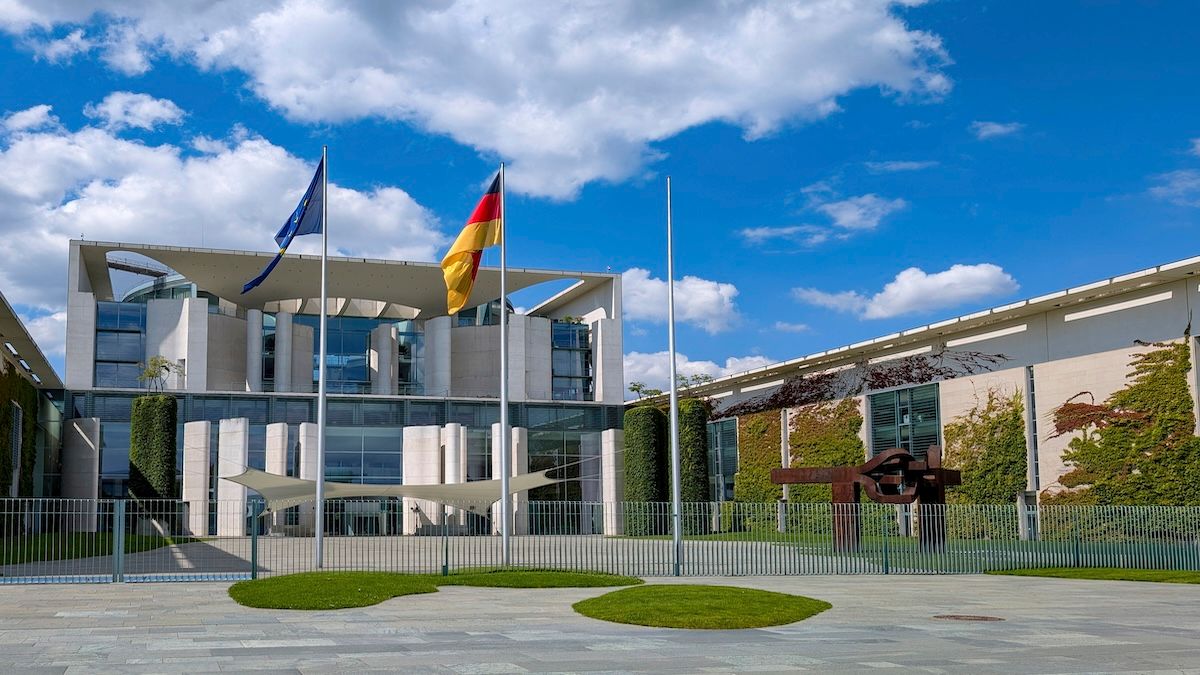
This article was corrected on Sept. 3, 2026Germany’s Federal Chancellery building in Berlin on July 19, 2025 (Photo by Michael Nguyen/NurPhoto) In June, Germany’s National Security Council decided to create an AI Security Institute, known as DE-AISI. The issue gained wider attention in Germany during a public debate over the potential use of Claude Mythos in cyberattacks against the country’s financial system.The new institute will analyze the capabilities and risks of advanced AI models, and work with international partners toward common standards. But the government has yet to settle many of the questions that will determine what the new institute can accomplish.Until two days ago, German cities Munich, Darmstadt, Saarbrücken and Berlin were competing to host it. Munich pointed to its technology companies and research community. Darmstadt pointed to its engineering and cybersecurity expertise, and Saarbrücken to its renowned AI and computer science cluster. In the end, Berlin’s proximity to federal ministries won over.However, the far more consequential choices concern the AI safety institute’s mandate, its relationship with other agencies, and what happens when its researchers uncover a serious risk.Germany’s digital industry association, Bitkom, favors a narrow research mandate. It wants DE-AISI to concentrate on systemic threats posed by frontier models to national security and technological sovereignty, without taking on regulation or anything else.Meanwhile,…
That's the opening of the original reporting — continue reading at Tech Policy Press for the rest.
Open at Tech Policy Press ↗