What Policymakers and the Public Need to Know About the Cult of AI
Tech Policy Press
1mo · 34 min
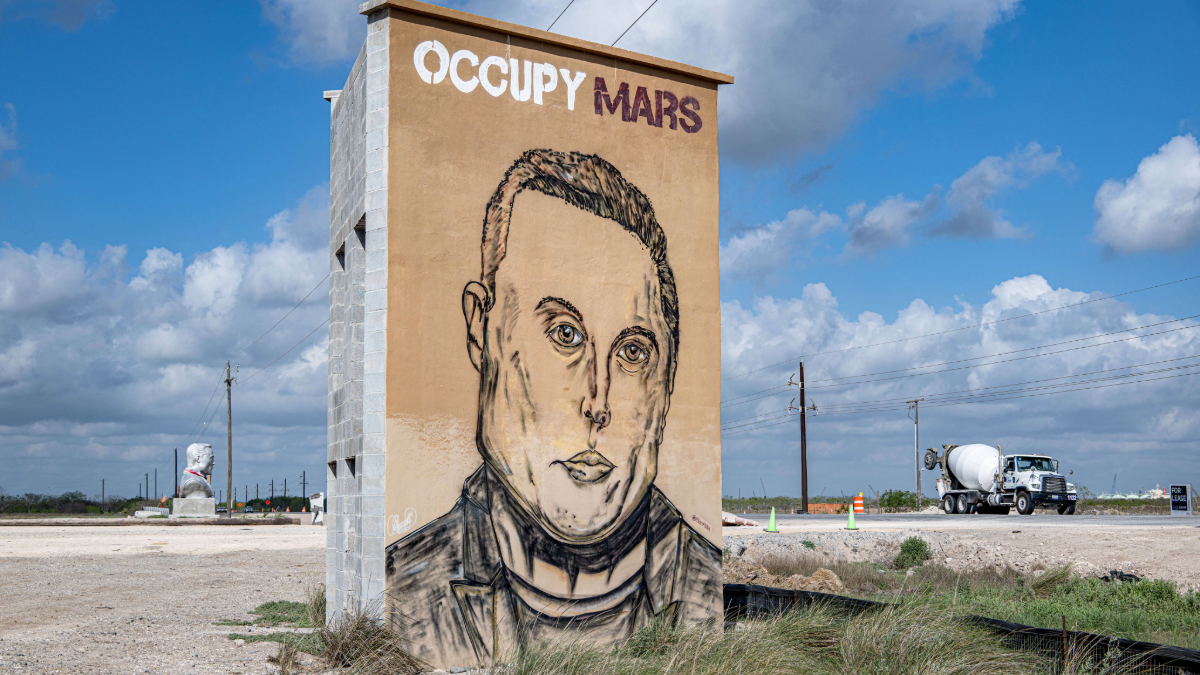
Artwork including a giant bust of Elon Musk sits along the route the billionaire's SpaceX Starbase south Texas launch site.
Artwork including a giant bust of Elon Musk sits along the route the billionaire's SpaceX Starbase south Texas launch site. (Photo by Laura Brett/Sipa via AP Images)In June, SpaceX’s initial public offering (IPO) briefly created the world’s first trillionaire in the person of Elon Musk. While the initial frenzy around the IPO eventually died down, Musk remains worth more than $900 billion, and SpaceX retains a market capitalization of more than $2 trillion. A major component of SpaceX’s pitch to investors hinges on the claim that the tech industry is on the verge of creating “artificial general intelligence” (AGI) or “artificial superintelligence” (ASI), a class of inorganic, sentient, omniscient and omnipotent beings that would surpass any individual person’s intellect, domain knowledge, and wisdom — or possibly all of humanity’s combined. The idea is that this AGI/ASI will be able to solve all of humanity’s problems rationally and efficiently, so developing it as quickly as possible, using any resources necessary, is a moral imperative, not to mention the investment opportunity of a lifetime.If that sounds like typical Silicon Valley speculative hype, that’s because it is. But this particular hype is grounded in a particular set of beliefs that are no longer held merely on the fringes of the tech industry or the more esoteric corners of the internet. What’s more, many of the conclusions rooted in these beliefs (i.e., that AI is the most transformative technology of all…
That's the opening of the original reporting — continue reading at Tech Policy Press for the rest.
Open at Tech Policy Press ↗