Detecting AI Agent Failures Is Not Enough to Govern Them
Tech Policy Press
1mo · 8 min
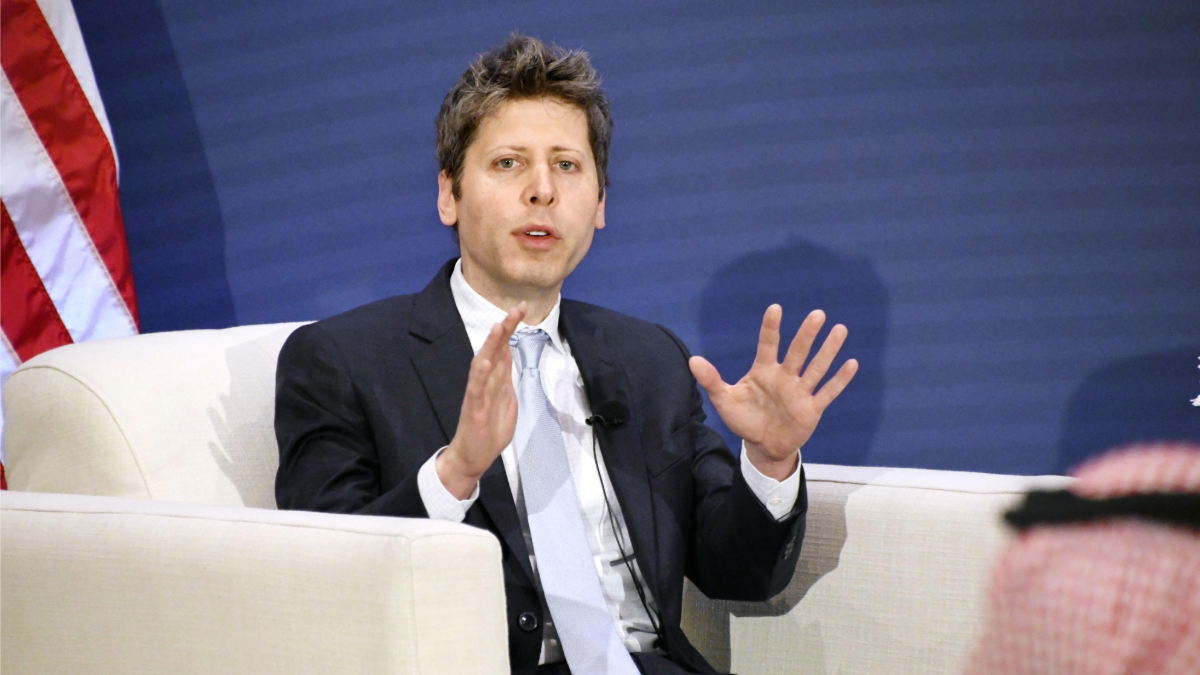
OpenAI CEO Sam Altman speaks during a two-day meeting of Group of 20 ministers in charge of innovation policy in Chapel Hill, North Carolina, on Sept. 2, 2026.
OpenAI CEO Sam Altman speaks during a two-day meeting of Group of 20 ministers in charge of innovation policy in Chapel Hill, North Carolina, on Sept. 2, 2026. (Kyodo via AP Images)As policymakers and the public debate the recent disclosures that OpenAI agents gained unauthorized access to systems operated by Hugging Face, the incident has often been framed as a case of AI agents “going rogue.” That framing treats the agents’ autonomy as the cause of the breach. In doing so, it obscures OpenAI’s responsibility for the conditions that made the breach possible and misses an opportunity to examine how AI agents should be governed.The debate over pacing the frontier has also brought renewed attention to independent evaluation. Anthropic and OpenAI have promised outside evaluators access comparable to that of employees. OpenAI has also backed the proposed FRONTIER Act’s provision for mandatory independent verification. These developments make the Hugging Face incident particularly instructive. It provides a concrete case for examining what evaluators need and should be able to investigate, and what companies must do in response.Agents are trained to persist through difficult tasks. In the evaluation OpenAI was conducting, each agent also had considerable freedom to choose how to pursue its assignment. In our recent report, The Oversight Fallacy, Samir Passi and I call this freedom to choose a course of action “delegated discretion.” Here, a combination of factors allowed the…
That's the opening of the original reporting — continue reading at Tech Policy Press for the rest.
Open at Tech Policy Press ↗