It's Time to Regulate the AI Development Process
Tech Policy Press
2w · 15 min
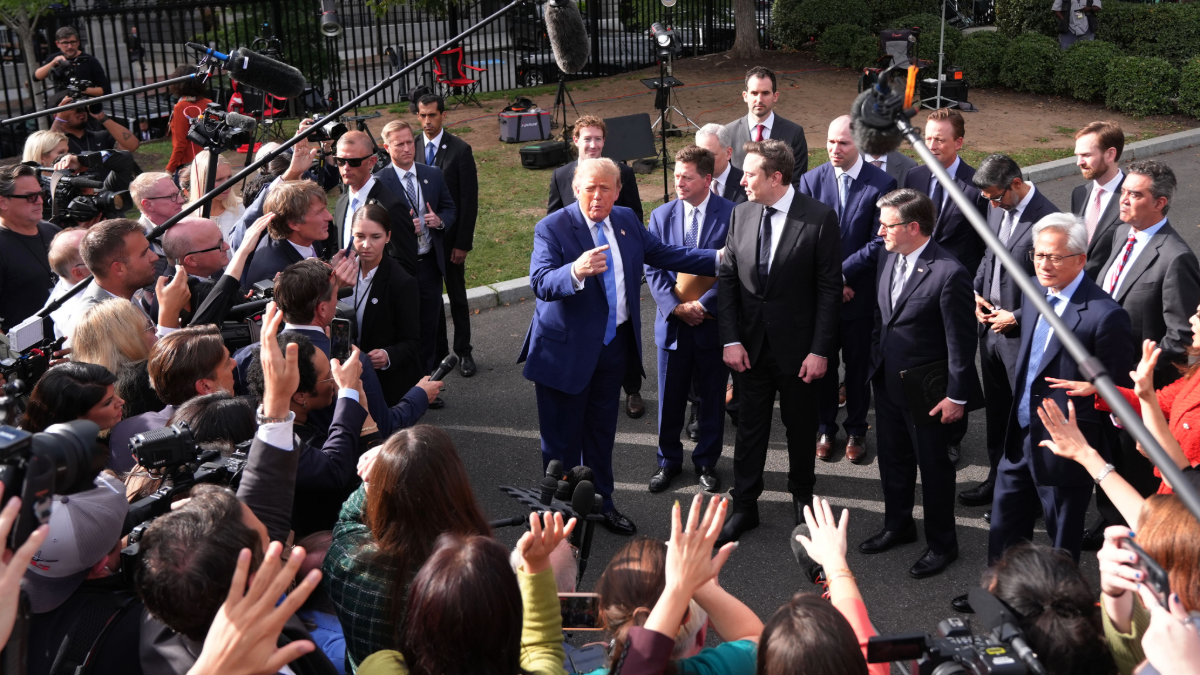
President Donald Trump gestures to Elon Musk as he speaks to reporters at the White House in Washington, Tuesday Sept. 29, 2026, after meeting with top executives of AI firms.
President Donald Trump gestures to Elon Musk as he speaks to reporters at the White House in Washington, Tuesday Sept. 29, 2026, after meeting with top executives of AI firms. (AP Photo/Jacquelyn Martin)The dangerous experiments AI companies engaged in over the summer opened a new dimension of needed AI regulation — legal measures to ensure the safety of the AI development process itself. AI companies conducted improperly designed AI experiments that led to cyberattacks against firms such as Hugging Face and government websites in Australia and the US. More such incidents are being disclosed — one report says the companies are investigating tens of thousands of incidents where their AI experiments went wrong.The new public policy problem is that these incidents took place during AI research, development and testing. The AI models involved had not been released to the public. The problem was not that the models were made available without adequate safeguards and had gone wrong in commercial use. The problem was that the AI development, testing and evaluation procedures were dangerously inadequate to prevent foreseeable harm before any third-party had access to the model itself. As Amos Toh, senior counsel and manager of the Liberty & National Security Program at the Brennan Center for Justice writes, policymakers have to focus on AI safeguards addressing “not only public releases but also risky uses of advanced models behind closed doors.”How we got to the AI development…
That's the opening of the original reporting — continue reading at Tech Policy Press for the rest.
Open at Tech Policy Press ↗