Who Is AI Risk For? Centering People in the AI Risk Conversation
Tech Policy Press
1mo · 17 min
Jen Weedon is a researcher and lecturer at Columbia University’s School of International Affairs’ Institute for Global Politics. Jenny Domino is an S.J.D.
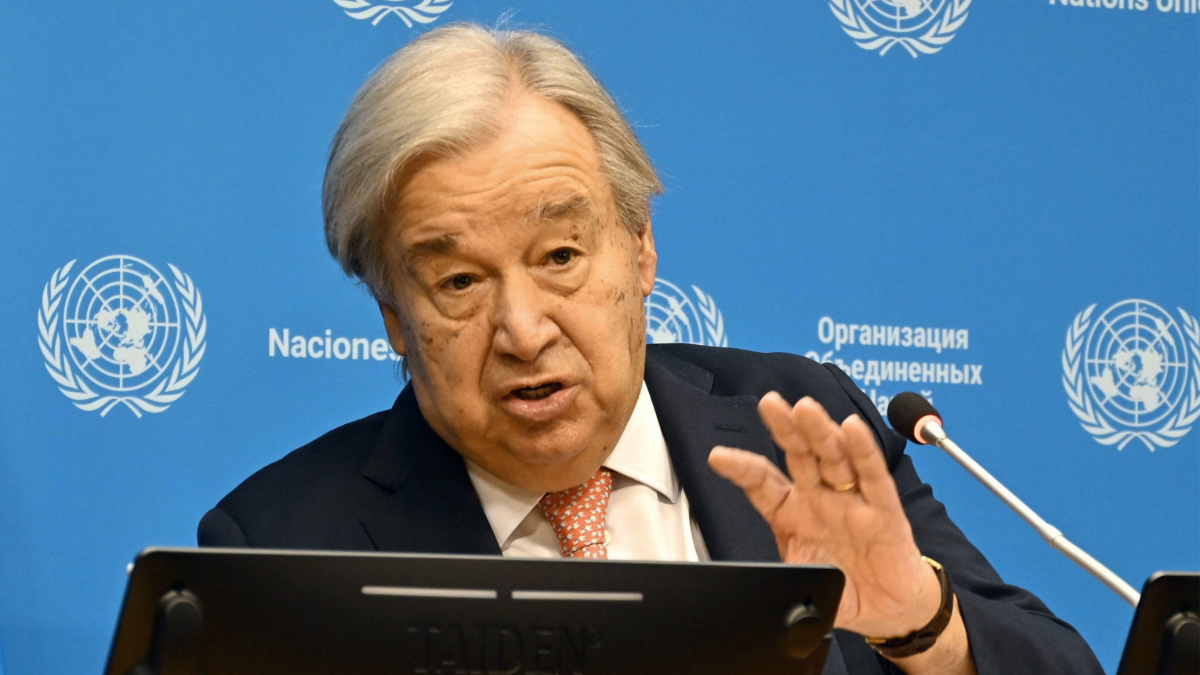
Jen Weedon is a researcher and lecturer at Columbia University’s School of International Affairs’ Institute for Global Politics. Jenny Domino is an S.J.D. candidate at Harvard Law School.UN Secretary General Antonio Guterres holds a press conference at the UN headquarters in New York on Sept. 16, 2026, at which he spoke “about rising concerns regarding the advance of artificial intelligence.” (Kyodo via AP Images)AI’s imagined future catastrophes, as outlined in warnings from leaders at top frontier labs over the last two weeks, have dominated the mainstream discourse around AI risk. As fears of runaway systems, loss of control, and even human extinction reach a fever pitch, an important question remains: what is AI doing to people, communities, and their rights, right now?Much of today’s AI risk discussion treats it as an objective property of AI models themselves. Risks are named, bounded, and mitigated through taxonomies, red lines, and safeguards, described in technical vocabularies that confer legitimacy. Yet what is presented as objective risk is the result of human choices about what to name, measure, and address. Risk and harm are contextual, and the language used to describe them is not incidental to the discussion, but constitutive of it. When AI risk continues to be framed as a technical problem to be solved, the conversation privileges technical interventions over questions of rights, accountability, and remedy. This shapes which harms are prioritized and…
That's the opening of the original reporting — continue reading at Tech Policy Press for the rest.
Open at Tech Policy Press ↗