In the US, Caution Rules on AI Ahead of K-12 School Year
Tech Policy Press
1mo · 13 min
As a new school year starts, US schools are moving cautiously on AI — caught between pressure to adopt it and unresolved questions about its risks in the classroom.
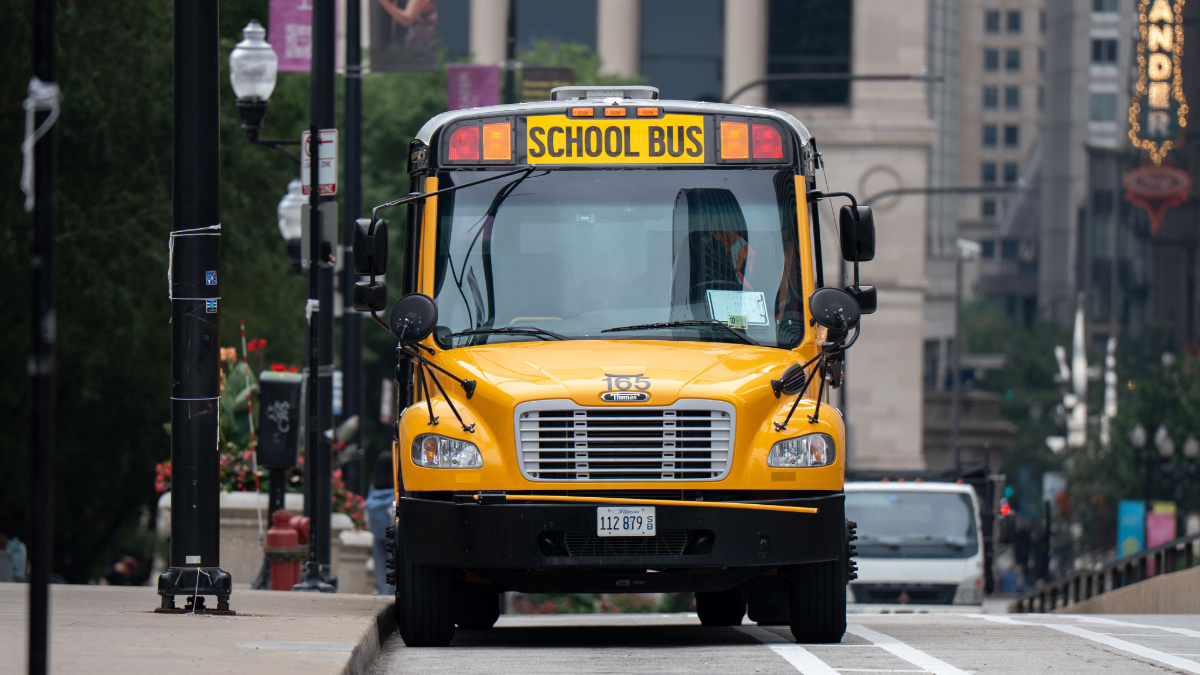
Chris Mills Rodrigo is a fellow at Tech Policy Press.A yellow school bus is seen in Chicago, Illinois, United States, on July 28, 2026. (Photo by Marcin Golba/NurPhoto)As students and teachers return to elementary, middle, and high schools in the United States over the next month, they are unlikely to find consistent, clear rules about what kind of artificial intelligence-powered programs they can use to help complete or deliver their coursework.The rapid rise of AI for generating text and images—paired with the natural desire of most kids to get homework done as fast as possible—has left teachers and school administrators scrambling to develop policies for how the technology should be integrated into education.Ahead of the 2026-27 academic year, many school districts have adopted a cautionary approach to the technology, establishing guardrails and promoting AI education but shying away from specific, system-wide rules about which programs can be used, delegating in-classroom decisions to individual teachers and leaving at-home use largely untouched.Others have failed to approve any guidelines at all.The aversion to setting explicit rules on AI products is leaving teachers in the lurch. Sixty percent of educators said that their districts’ policies were unclear in one 2025 survey. Just 18 percent of teachers reported getting any kind of formal guidance from school administrators on how AI tools should be used in a Gallup poll from earlier this year.Opaque direction appears…
That's the opening of the original reporting — continue reading at Tech Policy Press for the rest.
Open at Tech Policy Press ↗