Will Apple’s ‘Reference Image’ Feature Help Defend Against AI Manipulation?
Tech Policy Press
1mo · 22 min
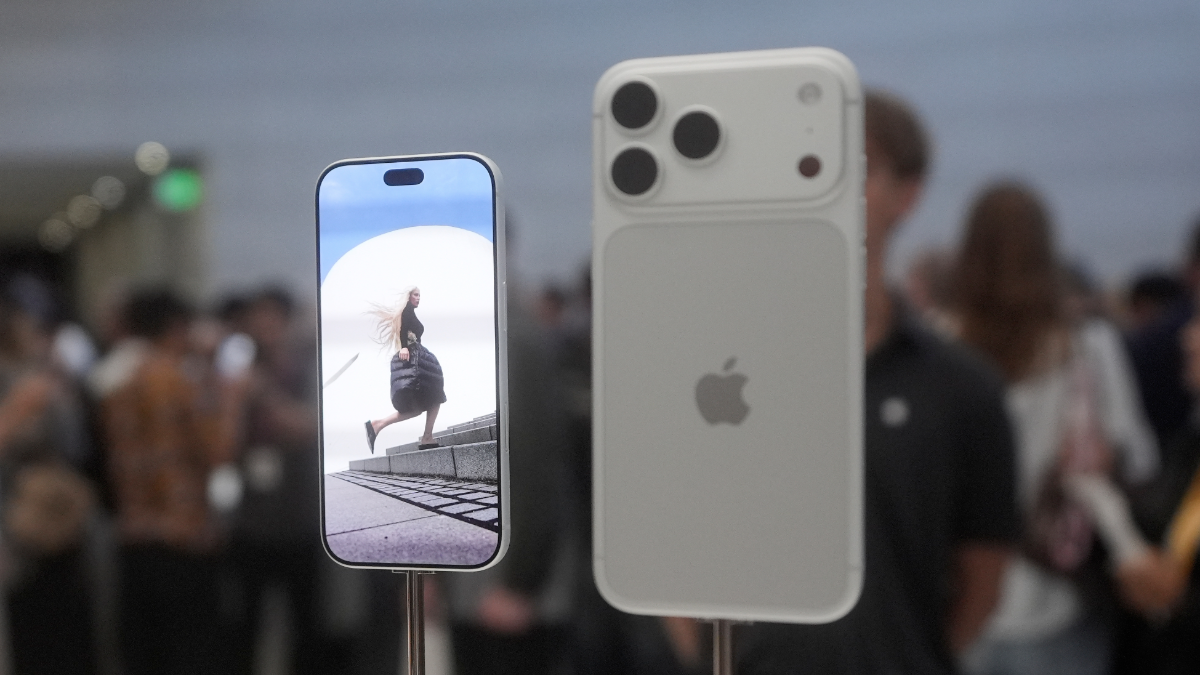
iPhones are displayed during an announcement of new products on Wednesday, Sept. 9, 2026, on the Apple campus in Cupertino, Calif. (AP Photo/Jeff Chiu)Last week, Apple announced the iPhone 18 Pro.
iPhones are displayed during an announcement of new products on Wednesday, Sept. 9, 2026, on the Apple campus in Cupertino, Calif. (AP Photo/Jeff Chiu)Last week, Apple announced the iPhone 18 Pro. Among the device’s new photography features is “Apple Reference Image,” and it represents the Silicon Valley behemoth’s entry into content provenance. "Now you can prove the authenticity of an image taken on iPhone. Secure, pixel-level signing of photo data happens at the time of capture, making it easy to verify exactly what the camera sensor saw," the company promises. A technical whitepaper expands on how the company will do this.For those of us who have spent more than a decade arguing that cameras should include such features, this is welcome news. Starting fifteen years ago, in reaction to a profusion of claims that real footage from contexts like Syria was falsified and a growing sense that the trustworthiness of critical images across society was under threat, myself and colleagues at WITNESS and our counterparts at the Guardian Project began building our own tools for trustworthy image and video capture (now ProofMode). At the time, we argued for the necessity of a Proof Mode or Eyewitness Mode on every camera to show what was real in the face of denial.Original pic from a pitch deck circa 2013 from WITNESS and Guardian Project imagining an Eye Witness ModeWe talked to many of the major tech players (including Apple circa 2016-7) but we were too early. Now generative AI…
That's the opening of the original reporting — continue reading at Tech Policy Press for the rest.
Open at Tech Policy Press ↗