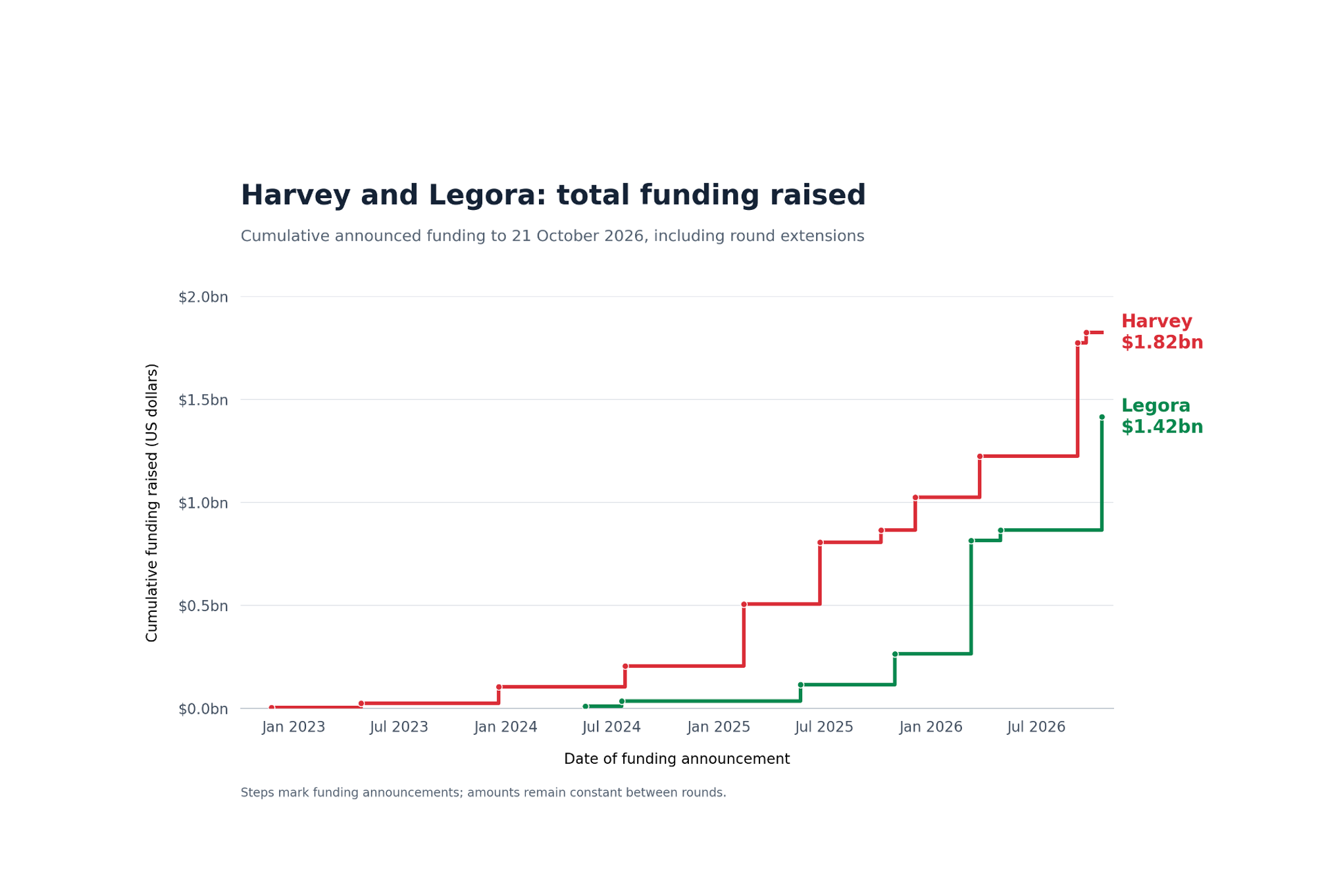
Harvey + Legora on OpenAI’s GPT-6 Astra
Artificial Lawyer
1mo · 7 min
OpenAI has released GPT-6 Astra, its new flagship model and their most capable LLM yet for end-to-end tasks. Both Harvey and Legora have provided some ...
OpenAI has released GPT-6 Astra, its new flagship model and their most capable LLM yet for end-to-end tasks. Both Harvey and Legora have provided some insights into how it benefits legal AI, (see below).
GPT‑6 Astra started its roll out on September 3rd on a limited basis and will eventually be more widely available. But, the question is: with so many models arriving now, is this a big deal?
The short answer is: yes, because the major model makers are showing that they can – albeit incrementally – keep improving AI performance. And that matters especially for lawyers, as there is a hard to define threshold under which legal AI is of limited standalone use, but conversely where once it hits a certain level of dependability it becomes immensely powerful.
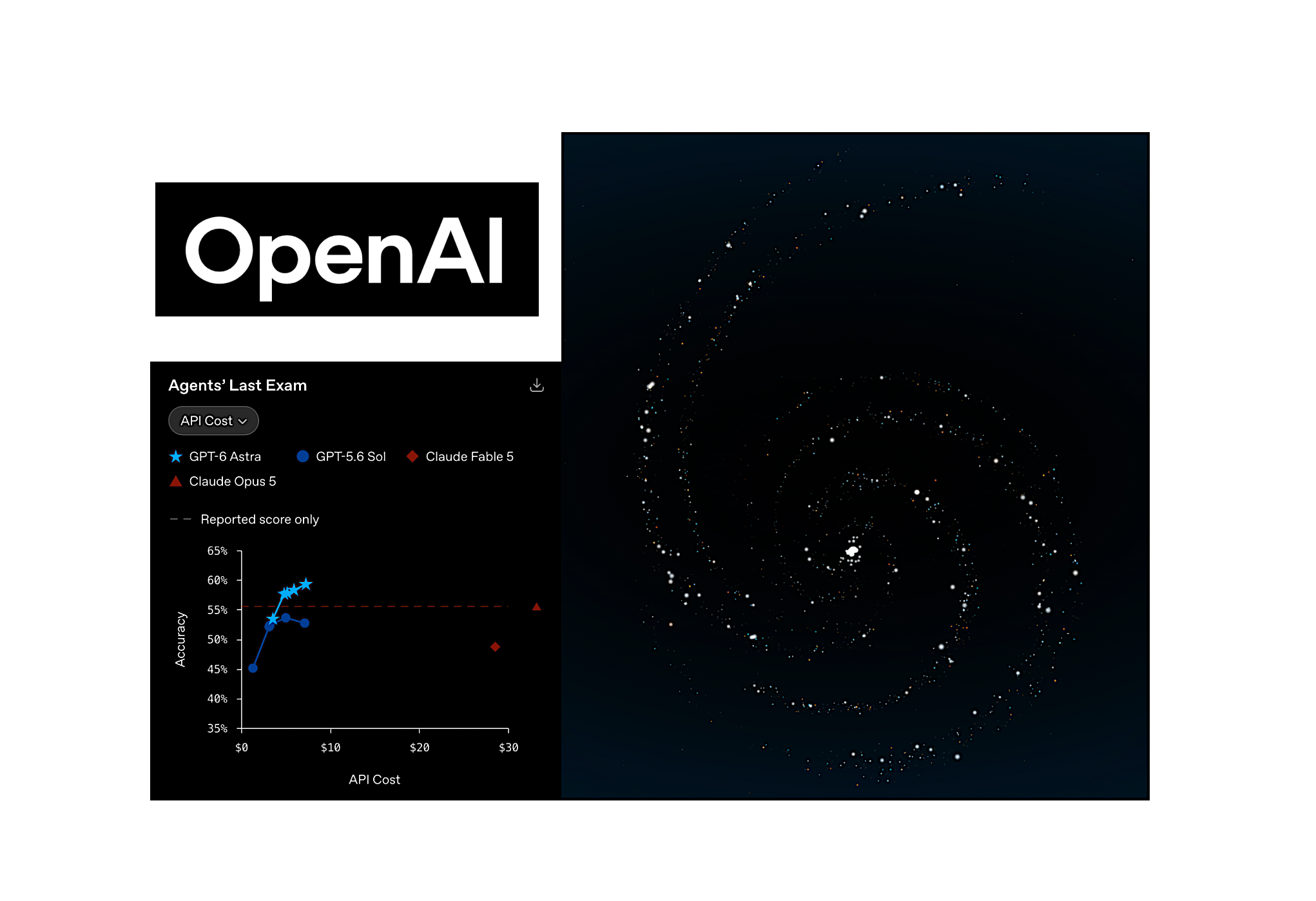
For example, OpenAI provided a range of benchmarks showing many improvements, one of which was ‘Agents’ Last Exam’ – a benchmark created at UC Berkeley RDI to answer the question: ‘Can an AI agent perform economically valuable professional work from beginning to end?’
It covers 55 professional ‘subdomains’ and includes some aspects of legal work, among many others. In this case (see graph) it reached 59.3%, while GPT-5.6 Sol reached 53.6%.
Now, you may then say: ‘So what? That’s not good enough to fully take over a whole stream of legal work.’ And you would be correct. But, it’s getting better – quickly.…
That's the opening of the original reporting — continue reading at Artificial Lawyer for the rest.
Open at Artificial Lawyer ↗