AI Governance Is Being Decided Now, and the Public Isn’t in the Room
Tech Policy Press
2w · 12 min
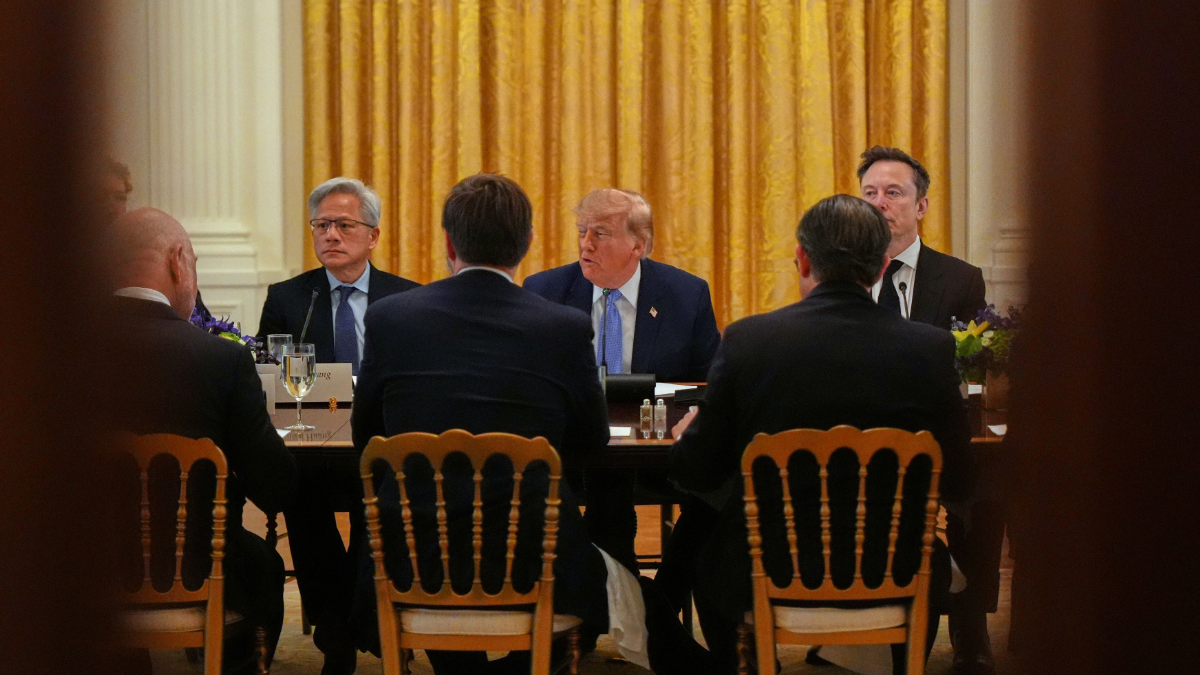
President Donald Trump speaks in the East Room of the White House in Washington, Tuesday Sept. 29, 2026, during a lunch meeting with top executives of AI firms, as NVIDIA CEO Jensen Huang, left, and Elon Musk listen.
President Donald Trump speaks in the East Room of the White House in Washington, Tuesday Sept. 29, 2026, during a lunch meeting with top executives of AI firms, as NVIDIA CEO Jensen Huang, left, and Elon Musk listen. (AP Photo/Jacquelyn Martin)“We believe that the world should accept some bad things happening for the benefits of this technology and people having the agency.” That’s how OpenAI cofounder and CEO Sam Altman recently explained how his company’s approach to strict safety guardrails differs from Anthropic’s. For him, perhaps that’s the cost of doing business. But to the vast majority of people, that’s simply not a trade they’re willing to make—or, more accurately, would be willing to make if they had any say in how AI governance operates.Nobody elected Altman to make that choice, and as of late, no one in the United States federal government seems willing to stop him. This is the real issue that is not getting enough attention—that a handful of executives and officials are making high-stakes decisions about a transformative, potentially dangerous technology in backroom meetings and without any form of political accountability. And to make matters worse, both the financial and political incentives point all the actors towards uninhibited acceleration.Most people agree that this is the wrong way to govern a technology this consequential. A majority of Americans favor immediate federal regulation (57%) and a pause in AI development and data center construction so…
That's the opening of the original reporting — continue reading at Tech Policy Press for the rest.
Open at Tech Policy Press ↗